
Reproductive Freedom
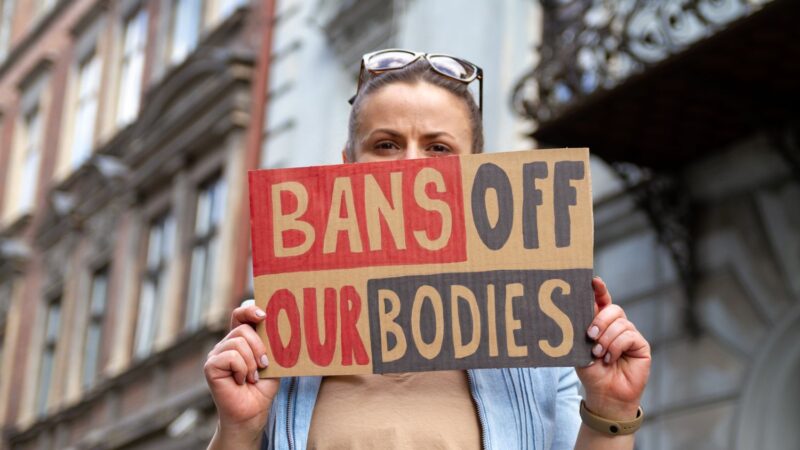
Reproductive rights are a vital part of personal freedom for all Idahoans. Idaho’s extreme abortion laws dangerously restrict safe reproductive care and infringe on bodily autonomy.
What you need to know
Abortion is completely banned in Idaho.
There are very narrow exceptions to Idaho’s extreme abortion laws: rape, incest, and some life-threatening pregnancies.
No health exceptions.
There are no exceptions for fatal fetal anomalies or when a patient’s health is at risk, forcing pregnant Idahoans to needlessly suffer.
Reproductive freedom is on the 2026 ballot.
The Reproductive Freedom and Privacy Act will be on the ballot in November of 2026.
Looking for information on Prop 1, Idaho’s 2026 abortion ballot initiative? See our Prop 1 FAQ page.
Our Reproductive Freedom Work
The ACLU of Idaho advocates for reproductive freedom — work rooted in the freedom to make decisions about our own bodies – and against political interference in private healthcare decisions.
Our reproductive justice work in the statehouse, courts, and in our community is focused on building a future where private medical decisions are made only between Idahoans and their providers, without government interference.
The State of Reproductive Rights in Idaho
Access to reproductive care in Idaho has changed drastically after the state’s abortion ban took effect in 2022. In 2020, the Idaho legislature passed SB 1385 – a “trigger ban” – that would ban nearly all abortions in Idaho if the U.S. Supreme Court (SCOTUS) overturned Roe v. Wade. When SCOTUS released the Dobbs decision in 2022, Idaho’s trigger ban went into effect without Idaho voters having a say.
The ever-changing landscape of abortion access in Idaho harms all of us, including our access to healthcare:
- Idaho has lost more than a third of practicing obstetricians since the extreme abortion laws took effect.
- Several hospitals have scaled back or completely shut down their labor and delivery units since 2020, leaving many Idahoans without meaningful access to maternity care.
- Idaho ranks 50th in the nation for physicians per capita, with 196 physicians per 100,000 people.
- Airlifting patients to neighboring states for treatment has become commonplace.
- Lawmakers have attempted to further restrict access to reproductive care.
Idaho’s Reproductive Freedom Ballot Initiative (Prop 1)
The Idaho legislature has failed to improve the dire state of reproductive rights, prompting a citizen-led ballot initiative to restore Idaho to the abortion laws it had for nearly 50 years. Learn more about the initiative.
Overview of Idaho’s Abortion Laws
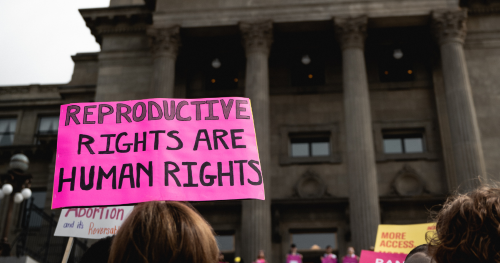
Idaho has some of the most extreme abortion laws in the country:
- Performing an abortion is a felony at all stages of pregnancy, with exceptions only for death, rape, and incest. There are no exceptions for the health of the pregnant person.
- There are no exceptions for the health of the pregnant person. Pregnancies that threaten the patient’s health cannot be terminated unless or until they become life-threatening.
- Fatal fetal anomalies are not an exception, meaning some pregnant people are forced to carry their non-viable fetus to term.
- Healthcare providers face felony charges, prison time, and permanent loss of their license if they perform an abortion.
- Providers can also be sued by family members of a pregnant person for a minimum of $20,000.
- Rape and incest exceptions only apply during the first 12 weeks of pregnancy, and only after a police or Child Protective Services report is filed.
Idaho’s Total Abortion Ban
Idaho’s total abortion ban applies to adults and youth. State laws criminalize abortion, making it a felony; providers would face up to five years in prison and may lose their licenses for performing an abortion in Idaho. Separate laws allow certain relatives of a pregnant person to sue providers for performing an abortion, with a minimum civil damage award of $20,000 in successful cases. It is also a felony crime to help someone under the age of 18 to access an out-of-state abortion.
Additionally, neither public funding nor private insurance may be used to pay for an abortion in Idaho.
Incest and Rape Exceptions
Victims of incest or rape who are under 18 can only get an abortion after 1) obtaining parental consent, and 2) filing a report with the police or Child Protection Services, obtaining a copy of the report, and presenting the report to their healthcare provider.
Mental Health Conditions
Serious mental health conditions, even those that are life-threatening, are not a legally justifiable exemption to Idaho’s abortion ban.
A 2026 court ruling briefly protected abortion when there is a high risk that a pregnant person would harm themselves, but that ruling has since been blocked.
Additionally, pregnancies with a fatal fetal diagnosis are not exempt, meaning Idaho law forces some people to carry non-viable fetuses to term if the life or health of the pregnant person is not at risk.
Idaho also requires biased, state-directed anti-abortion consent counseling, followed by a 24-hour mandatory waiting period before any procedure can occur.
Legal Challenges to Idaho’s Abortion Laws

Idaho’s extreme abortion laws have created a confusing, constantly shifting legal landscape that forces doctors into impossible situations and puts patients at risk.
Since Idaho’s trigger ban went into effect in 2022, multiple legal challenges have attempted to protect abortion access. However, these lawsuits are slow-moving and constantly changing. So far, we have regained minimal reproductive rights, and reproductive medical and health care remains risky, dangerous, and difficult to access in Idaho.
Emergency Treatment
Multiple legal challenges have sought to protect pregnant Idahoans in need of emergency treatment. This includes a lawsuit filed by the Biden administration in 2022, which argued that Idaho’s extreme abortion ban violates the Emergency Medical Treatment and Labor Act (EMTALA).
An August 2026 court ruling briefly protected abortion access when continuing the pregnancy threatened the pregnant patient’s health, but that ruling has since been blocked. This means Idahoans do not have access to health-preserving and, in some cases, life-saving medical care.
Additionally, a temporary court order resulting from another lawsuit only allows healthcare providers at St. Luke’s to provide abortion as part of emergency medical care.
Accessing Out-of-State Abortion Care
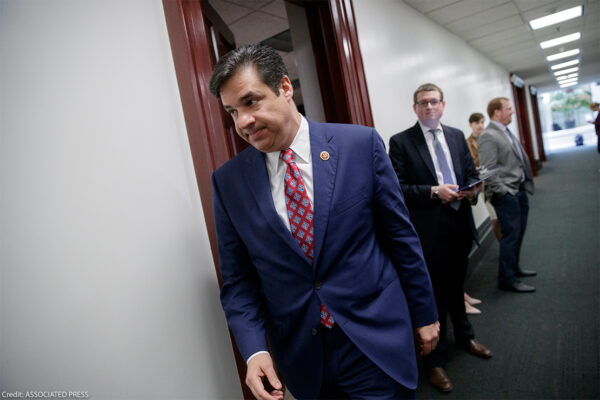
On July 17, 2025, Idaho Attorney General Raúl Labrador and the Ada and Valley County prosecutors agreed to be bound by a consent decree permanently blocking them from prosecuting healthcare providers for referring patients for abortions out of state. Under the terms of the decree, the attorney general and county prosecutors are prohibited from sanctioning or prosecuting the plaintiffs for referring, counseling about, or otherwise offering information to patients who seek abortion outside of Idaho’s borders.
The settlement ensures that Idaho healthcare providers may continue offering comprehensive counseling and assistance to their patients, including information about healthcare that is legal in other states, without fear of being penalized by the attorney general or state prosecutors.
Additionally, a recent legal decision blocks certain parts of Idaho’s 2024 travel ban. While helping a minor obtain an abortion out-of-state is still a felony, providers are allowed to counsel or otherwise inform patients under 18 about out-of-state abortion care options.
The Future of Reproductive Freedom in Idaho
Our fight to claw back reproductive freedom in Idaho is far from over. In recent years, lawmakers have staged ever-more extreme attacks on bodily autonomy, including attempts to remove exceptions for rape and incest and to give full personhood rights to fetuses.
Criminalizing health care is dangerous, and we will continue to work toward an Idaho where individuals – and not the government – have control over their own bodies and the power to determine their own futures.
Idaho’s 2026 Abortion Ballot Initiative (Prop 1) – Frequently Asked Questions

The Latest
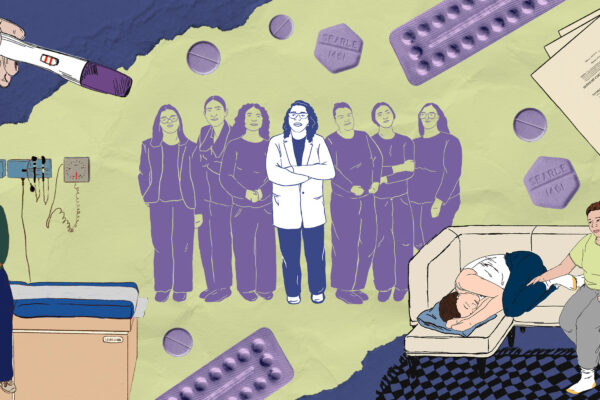

ACLU Brief in Emergency Abortion Care Case Disputes Idaho Politicians’ Flawed Legal Arguments
Cases, Campaigns & Legislation
Planned Parenthood Great Northwest, Hawai’i, Indiana, Kentucky v. Labrador
Planned Parenthood v. Wasden
2023 – H.B. 98 – Out-of-State Abortion Care
2022 – SB 1309 – 6-Week Abortion Ban with Private Right of Enforcement
Take Action
Today, years of hard-fought civil liberty protections are under threat.
To influence lawmakers, we need everyone to get involved.


Stay Informed
Sign up to be the first to hear about how to take action.
By completing this form, I agree to receive occasional emails per the terms of the ACLU’s privacy statement.
By completing this form, I agree to receive occasional emails per the terms of the ACLU’s privacy statement.