
LGBTQ Justice
Through litigation, lobbying, public education, and organizing, the ACLU of Idaho is working to preserve and defend the rights of lesbian, gay, bisexual, transgender, and queer (LGBTQ+) people to live freely with the same freedoms and privileges as all Idahoans.

What you need to know
48,000 people in Idaho
are a part of the LGBTQ+ community, and nearly half of them are raising children (source: movement advancement project).
27 anti-LGBTQ bills
were introduced by Idaho lawmakers in 2025 alone. 19 of these targeted the trans community.
Trans people are 4X more likely
than cisgender people to experience violence.
From blocking access to health care for transgender youth to Pride flag bans, Idaho is leading the country in discrimination against the LGBTQ+ community. While this state has a long history of hostility toward LGBTQ+ people, the unjust treatment of this population has escalated significantly since 2020.
The trans community is currently facing a wave of civil rights violations in Idaho, including attacks on their access to health care and ability to navigate public life with safety and dignity.
These deliberate efforts to make Idaho an unbearable place for trans folks to live are laying the groundwork for a large-scale assault on everyone’s rights. We will not allow our constitutional freedoms to become a thing of the past, so we are fighting back.
Our LGBTQ+ Justice Work
In the Statehouse

photo credit: Cat Wheaton
Since 2020, we’ve seen a troubling increase in harmful laws, such as a ban on access to gender-affirming care for youth, censorship of LGBTQ-affirming library books, and restrictions on LGBTQ-inclusive efforts in schools, to name a few.
In 2025 alone, Idaho lawmakers introduced at least 19 bills targeting trans people, seeking to control everything from their bodily autonomy to where they can use the bathroom. T Through lobbying and public education efforts, we work to advocate for the LGBTQ+ community — and trans folks in particular — by stopping or reducing the harm of anti-LGBTQ laws and informing the public about new laws.
View ACLU’s map tracking anti-LGBTQ legislative efforts across the United States.
In the Courts
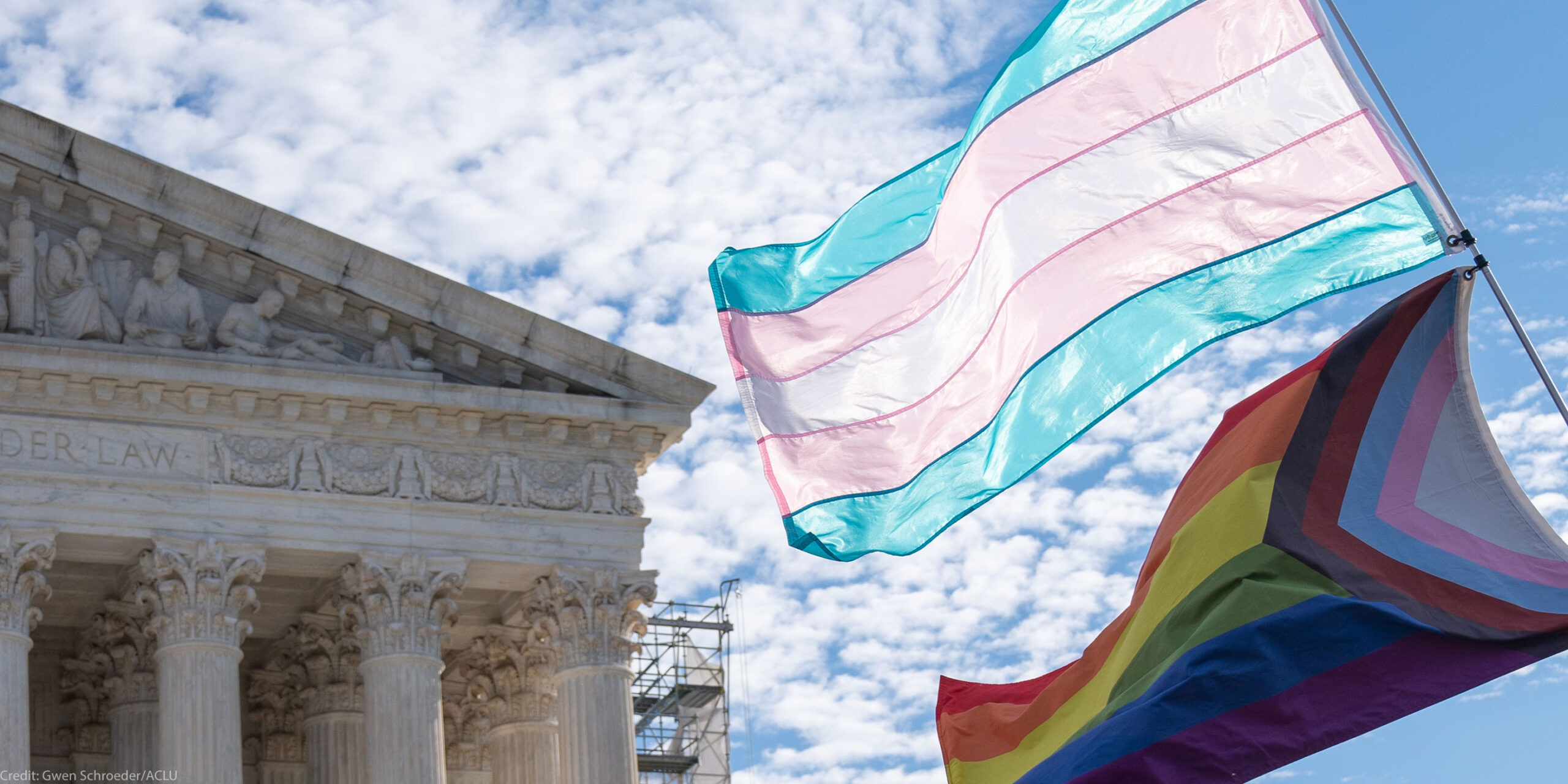
We currently have three active lawsuits defending the constitutional rights of our LGBTQ+ community.
Hecox v. Little
In 2020, Idaho became the first state in the nation to enact an outright ban on transgender athletes who want to participate in sports. We sued to block this law in Hecox v. Little, defending our trans community’s right to participate in all school activities, including sports. Despite win after win for this case, Idaho's attorney general has appealed the decisions all the way up to the U.S. Supreme Court. The fight continues.
Robinson v. Labrador
In 2024, we sued Idaho officials on behalf of the state's incarcerated trans population in response to a new law that restricts public funding for gender-affirming medical care. Our lawsuit, Robinson v. Labrador, argues that the state is violating their Eighth Amendment right to be free from cruel and unusual punishment by blocking access to critical medical care. We were granted several injunctions for this lawsuit, requiring jails and prisons to continue providing this health care.
Davids v. Adams
In 2025, we filed a lawsuit to fight a new Idaho law that imposed restrictions on access to publicly funded services, including HIV treatment. Our lawsuit, Davids v. Adams, aims to preserve access to life-saving HIV treatment for all immigrants in Idaho. We were granted a preliminary injunction and class-action status shortly after filing, so immigrants who qualify as class members can still access their HIV medication until litigation is decided.
In the Community

Six of the 24 panels created by Idaho's LGBTQ+ community to celebrate trans joy and freedom.
Our LGBTQ+ organizing efforts in the community include:
- Trans Futures: Rooted in Community. Launched in 2025, this program invests in fostering future trans leaders through education, skill-building, and leadership development.
- Community Actions and Public Education. We are helping communities make their voices heard through rallies and community actions, including the 2024 heart drop at the Idaho Capitol and 2025 marriage equality walkout. We are also empowering LGBTQ+ Idahoans and allies with valuable information about their constitutional rights.
- Freedom To Be Campaign. In 2024, ACLU national launched this trans justice campaign in response to a historic U.S. Supreme Court case about access to gender-affirming medical care for youth (U.S. v. Skrmetti). Through storytelling and a powerful art installation in Washington D.C. that featured multiple panels from Idaho’s trans community, Freedom To Be is about celebrating trans joy and affirming the trans community’s right to be themselves.
- Local Partnerships. We work closely with other Idaho LGBTQ+ organizations to preserve and advance the constitutional rights of LGBTQ+ Idahoans. Local organizations we partner with include Trans Joy Boise, North Idaho Pride Alliance, Trans Affirm Idaho, Planned Parenthood, and Mama Dragons.
Join Our Work
Looking to join our work and defend the constitutional rights of Idaho’s LGBTQ+ community? Visit our actions pages for ways to support and get involved.
The Latest
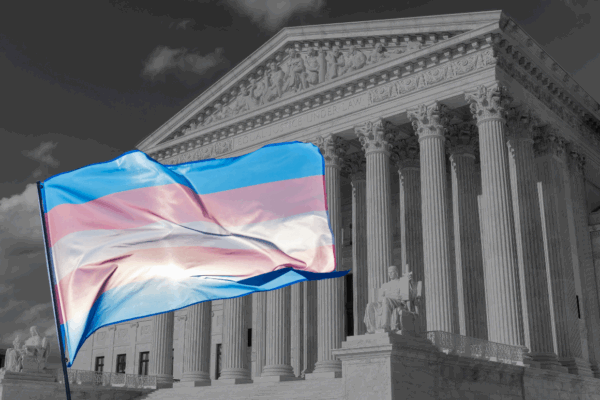
Supreme Court Fails Trans People, Upholds Bans on Gender-Affirming Medical Care for Youth
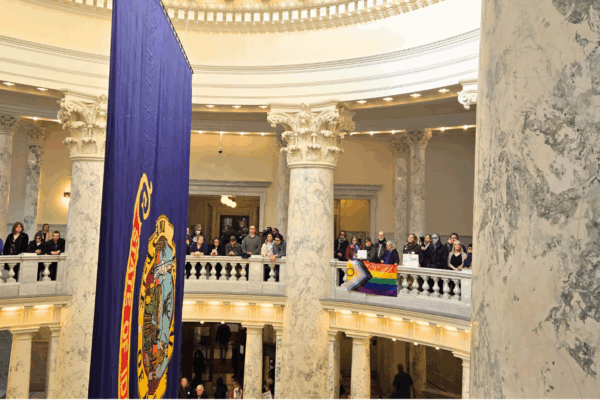
2025 Legislative Session: LGBTQ+ Rights and Trans Justice


Cases, Campaigns & Legislation
Take Action
Today, years of hard-fought civil liberty protections are under threat.
To influence lawmakers, we need everyone to get involved.

Stay Informed
Sign up to be the first to hear about how to take action.
By completing this form, I agree to receive occasional emails per the terms of the ACLU’s privacy statement.
By completing this form, I agree to receive occasional emails per the terms of the ACLU’s privacy statement.